
Aux Mille-Voix High School Redefining Community Learning Spaces
Project Spotlight: Aux Mille-Voix High School
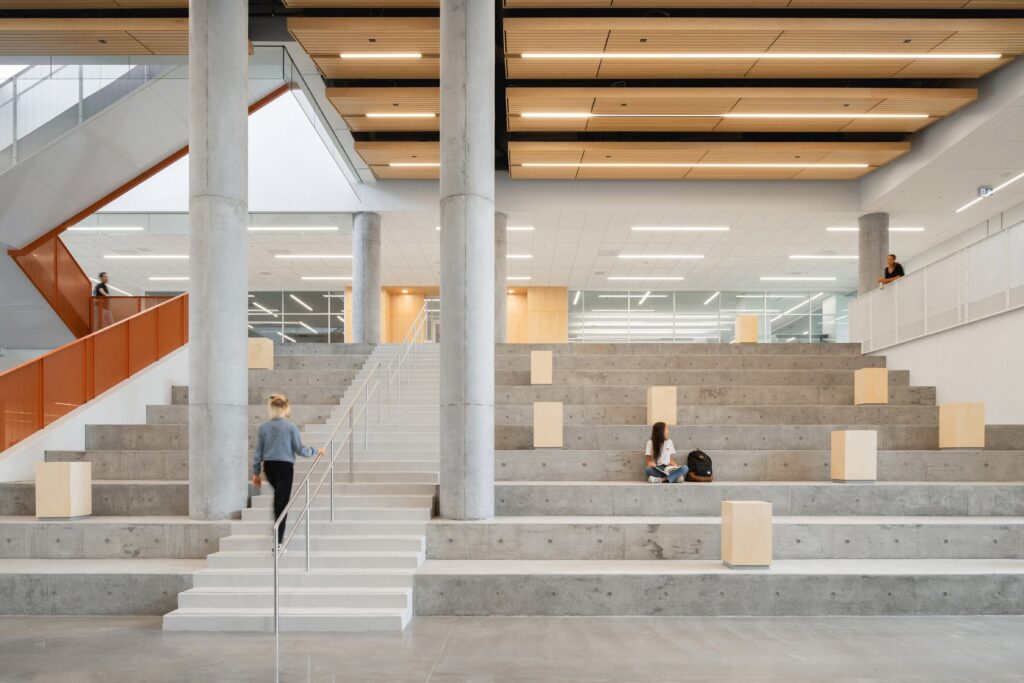
Aux Mille-Voix High School designed by TLA + UN + NEUF in Montréal, Canada, redefines educational architecture as a dynamic public environment deeply rooted in community life. Winner of the INT Public Interior Design of the Year award, the project transforms the school into an open, adaptable space where learning, nature, and social interaction seamlessly intersect.
Led by Patric Sabourin, Hélène Roger, and Hugo Gagnon, the design emphasizes biophilic principles, shared community spaces, and a central courtyard that acts as the heart of the school. In this interview, TLA + UN + NEUF shares insights into the studio’s approach to educational design, its guiding philosophy, and the vision behind this award-winning project.
Interview with TLA + UN + NEUF Interior Design Team
1. Can you share the story of how you entered interior design, and how your background shaped your creative practice?
Our interior design team brings together passionate creators committed to turning bold ideas into unique and functional spaces. We push boundaries, especially in institutional projects. Our ambition goes beyond aesthetics: we design environments that promote well-being, stimulate creativity, and ensure comfort.
Each project becomes a living space crafted to enrich daily life, combining innovation, functionality, and pleasure. With our expertise in educational settings, we deliver comprehensive projects that precisely meet clients’ needs while enhancing and elevating the design.
2. What was the brief for your winning project, and how did it inspire your approach?
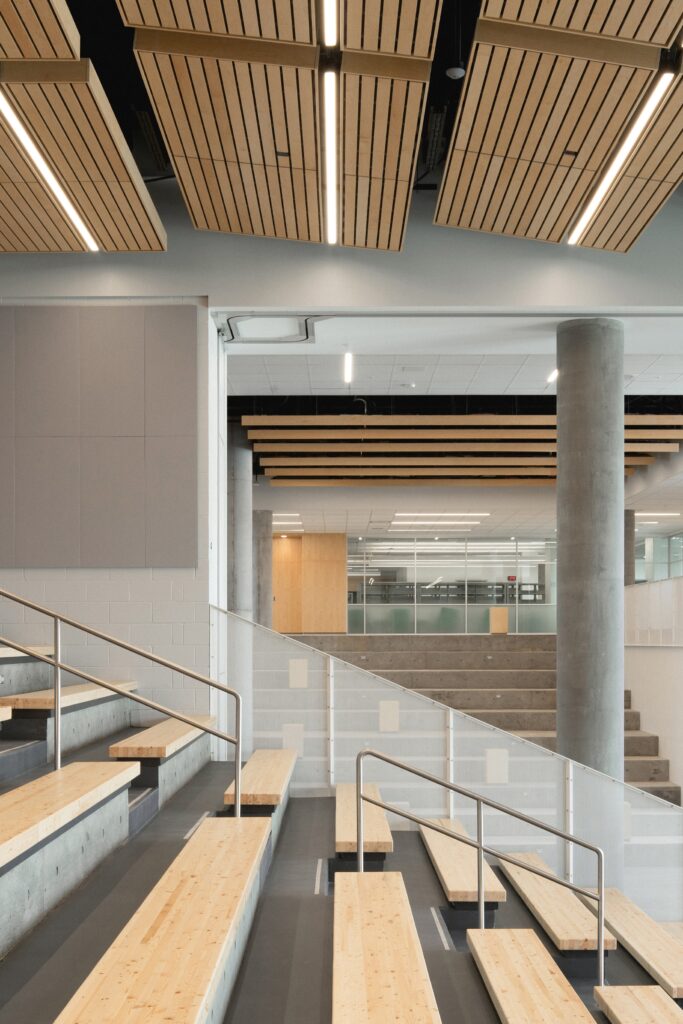
The community aspect of this school was central to our brief. To bring this vision to life, we quickly involved users in shaping the concept, helping us understand their needs and identify opportunities to enrich spaces for each age group. This approach naturally guided users toward gathering areas.
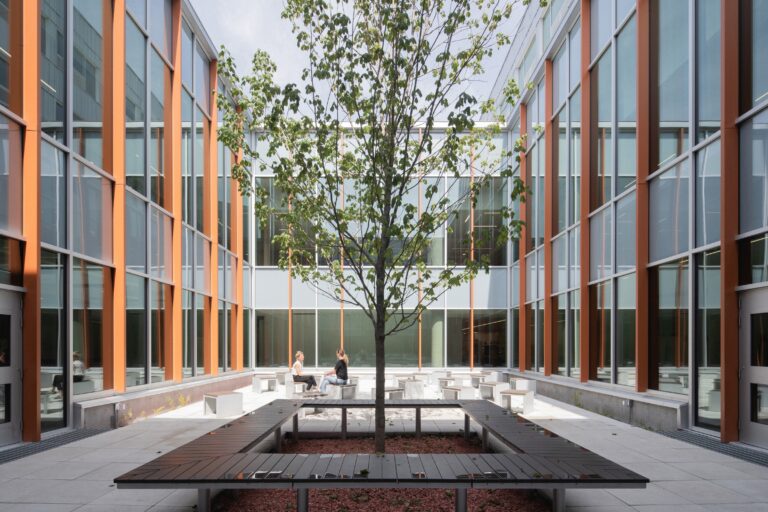
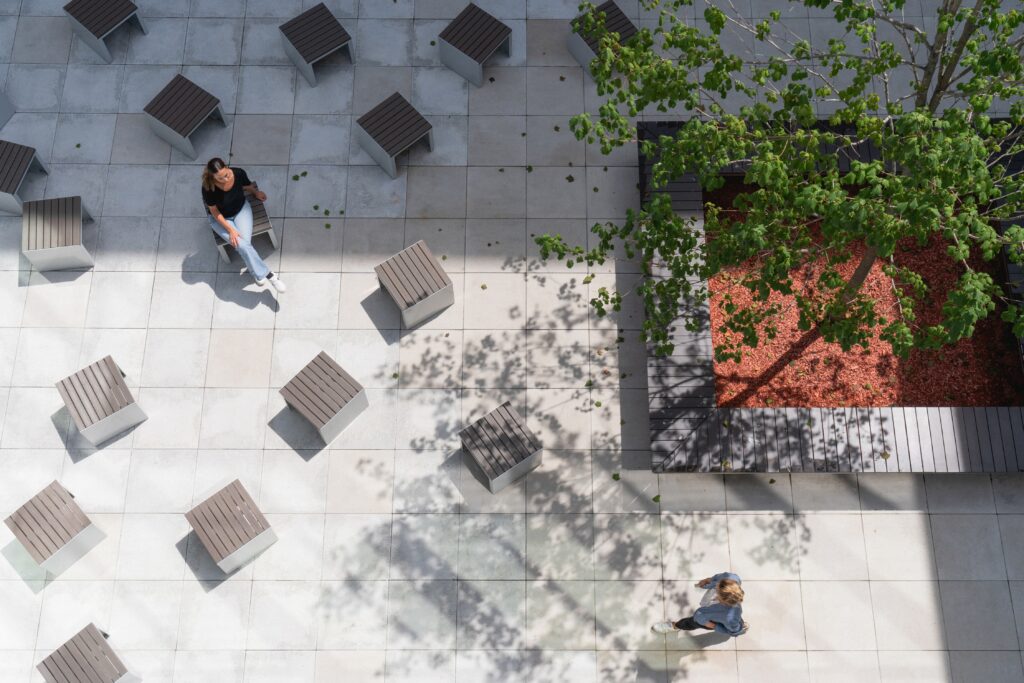
At the heart of the school, students and community members meet and connect, while the inner courtyard, featuring a symbolic tree, becomes the focal point of these interactions, fully embodying our priority: fostering human connections.
3. What design choices or innovations in this project are you most proud of, and what challenges did you face while bringing them to life?
Driven by our ambitions for the impact of interior design on users, we are especially proud of the school’s inner courtyard, where a constantly growing tree symbolizes development and human connection. As the project’s true centerpiece, it becomes the hub of interaction and meetings.
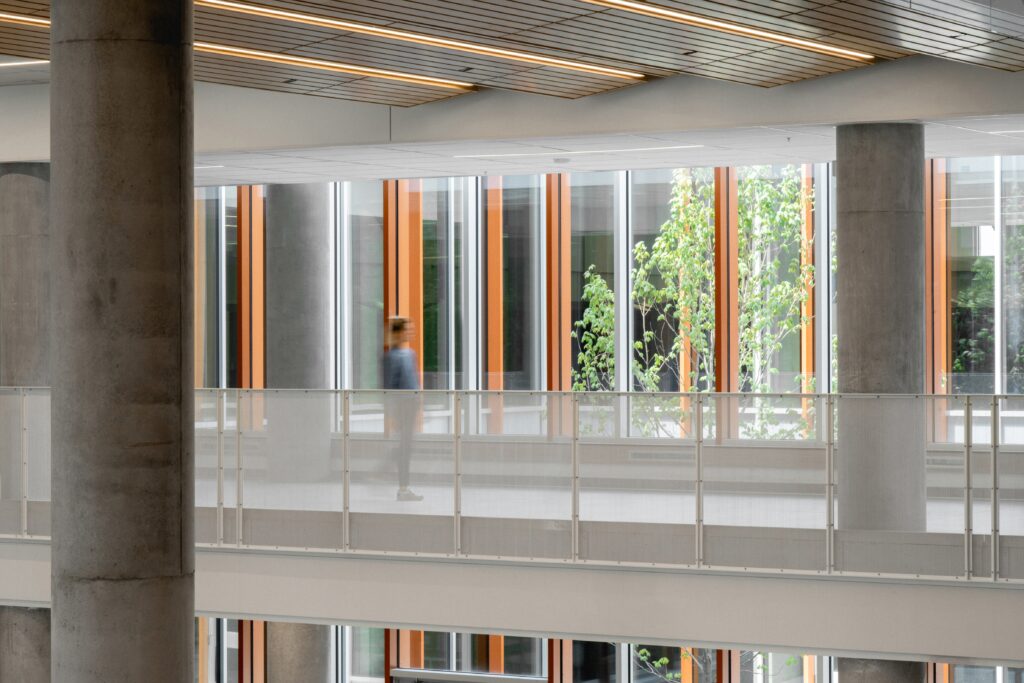
Surrounded by glass facades, the courtyard allows observation and experience of these interactions from inside, fostering belonging and connection beyond the walls. Its innovative approach in the context of Quebec school infrastructure required thorough validation with the Société québécoise des infrastructures, reinforcing its value and significance.
5. What is your design philosophy and what principles guide your decisions?
Our team does not focus on one specific designer but draws inspiration from internationally recognized philosophies and approaches. Scandinavian schools, leaders in educational design, show how biophilia and minimalism create functional, welcoming, and stimulating learning environments.
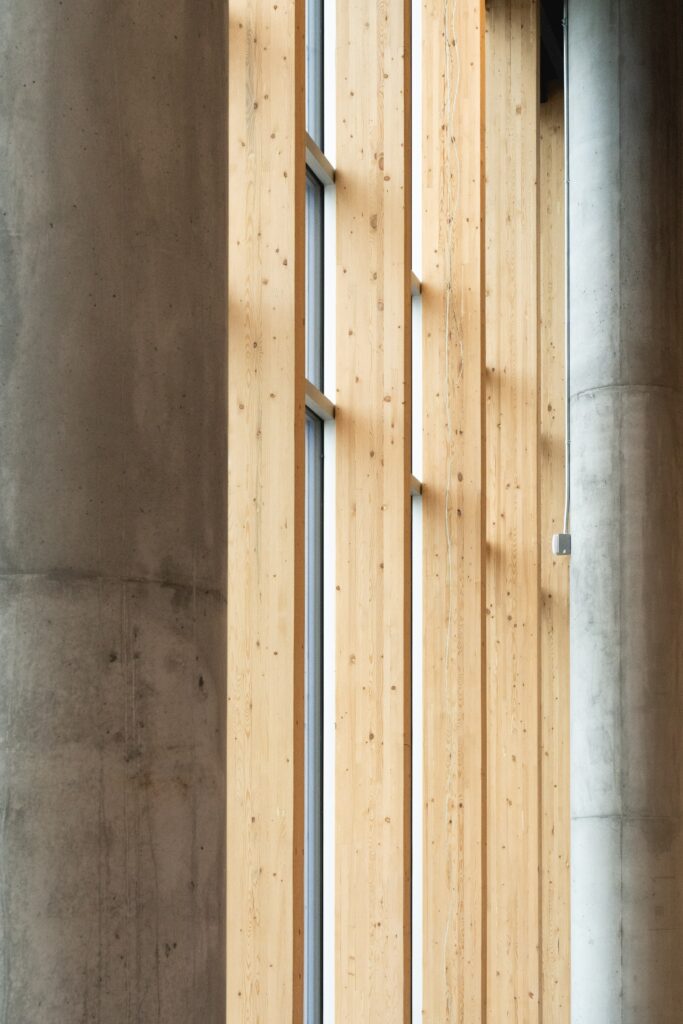
We emphasize light, nature, and materials to support well-being, focus, and human interaction, translating this vision into spaces designed to be experienced and felt, where every choice contributes to meaningful experiences with people at the center.
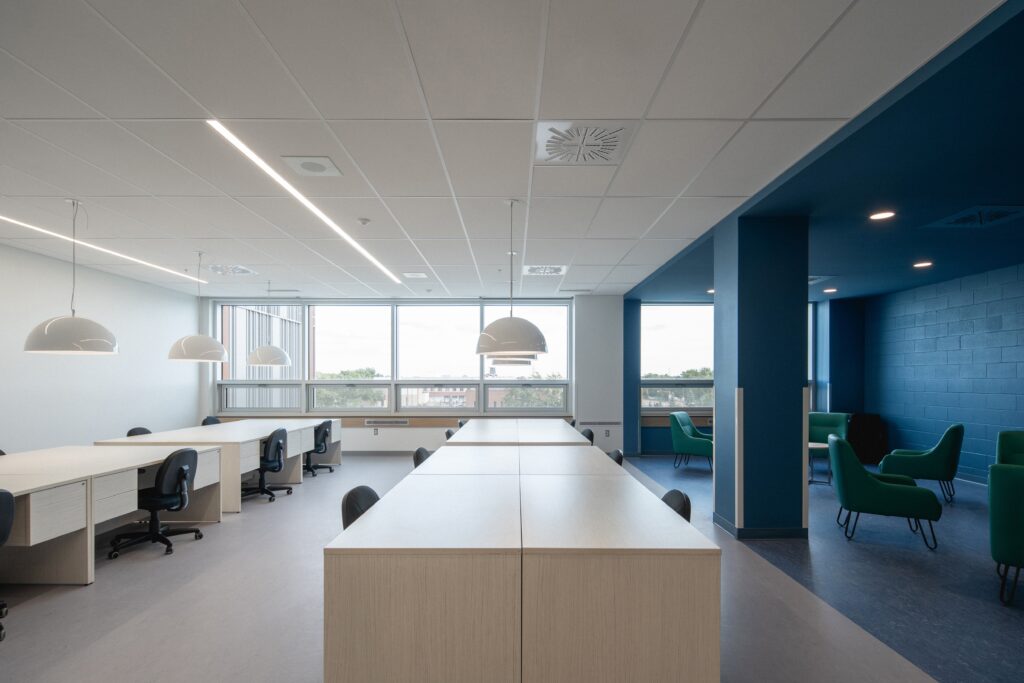
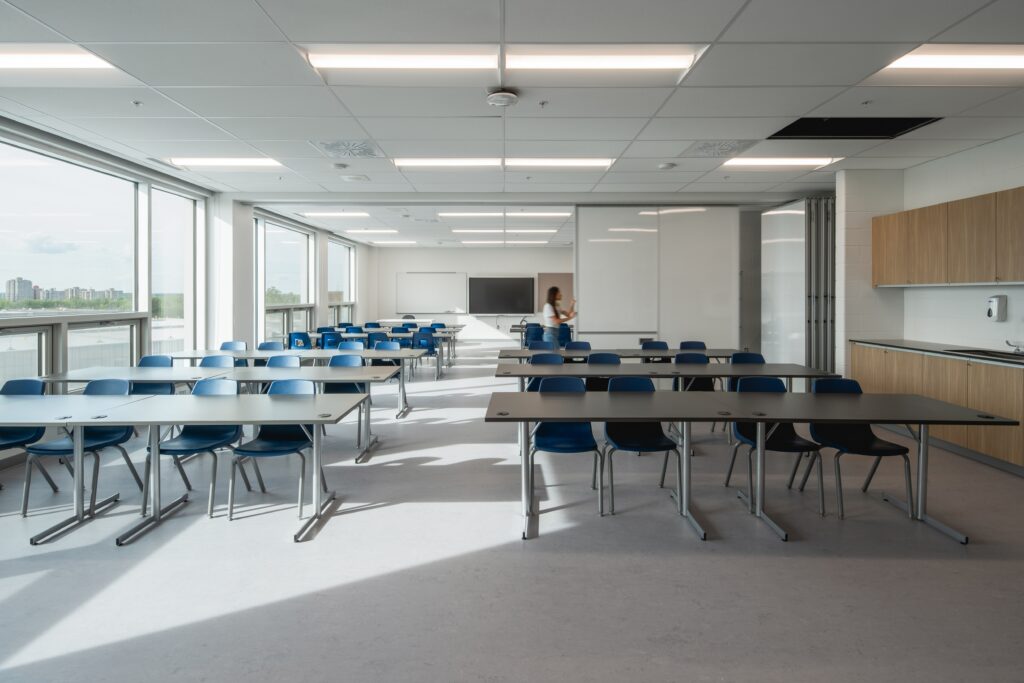
For us, balancing client needs with our creative voice relies on attentive listening and deep project understanding. In the Mammouth project, the highly detailed Functional and Technical Program of the Société québécoise des infrastructures provided a clear and inspiring framework, to which we added our unique contributions.
We introduced signature ideas, like the inner courtyard, creating a central living space that encourages interaction and community-building. Every common area meets program objectives while remaining functional and enjoyable. We adapt our proposals to budget constraints, offering innovative, relevant, and lasting design where our creativity complements and enhances the client’s needs.
8. What does receiving an INT Interior Design Award mean to you personally and professionally?
Receiving an INT Interior Design Award is a valuable recognition from our peers and a source of professional motivation. It confirms that our careful, creative, and authentic work is appreciated beyond our team and client, highlighting the importance of every detail and our approach where functionality, aesthetics, and sustainability intersect.
Personally, the award is an encouragement and a point of pride, reminding us that our commitment and passion have a tangible impact. It drives us to explore new ideas, push boundaries, and create spaces that enrich users’ lives. In short, the award is both an honor and a responsibility: recognition from the professional community while maintaining the same level of excellence and innovation in future projects.
9. What advice would you give to emerging designers, or what excites you most about the future of interior design?
What excites us about the future of interior design is seeing an industry long rooted in tradition open to sustainable innovation, whether through reclaimed materials or thoughtful consideration of light, space, and occupant well-being. Educational projects offer a special opportunity to build schools that shape future designers and foster a forward-looking learning culture.
For emerging designers, we recommend nurturing curiosity and staying attentive to both client needs and societal challenges, as understanding context and use leads to truly relevant solutions. Designing educational environments becomes a creative driver and intergenerational commitment, where creativity, environmental responsibility, and social impact come together to evolve interior design for new challenges.
Where Nature Shapes Learning Spaces
Recognized by the INT Interior Design Awards, Aux Mille-Voix High School stands as a powerful example of how educational spaces can transcend traditional boundaries to become vibrant public environments. Through its central courtyard, biophilic strategies, and community-driven design, the project redefines the role of schools as places of connection, well-being, and shared experience.
Check out other inspiring projects:
INT Interior Design Awards Winners
Interviews:
Past INT Winners
Official Website(s):
TLA
UN
NEUF