
Clearspace Design & Research on Human Systems, Sustainability, and the Renewal of Space
Project Spotlight: MWH Life style Center
(Design: Clearspace Design & Research, Photography: IVI. Man Visual Imaging)
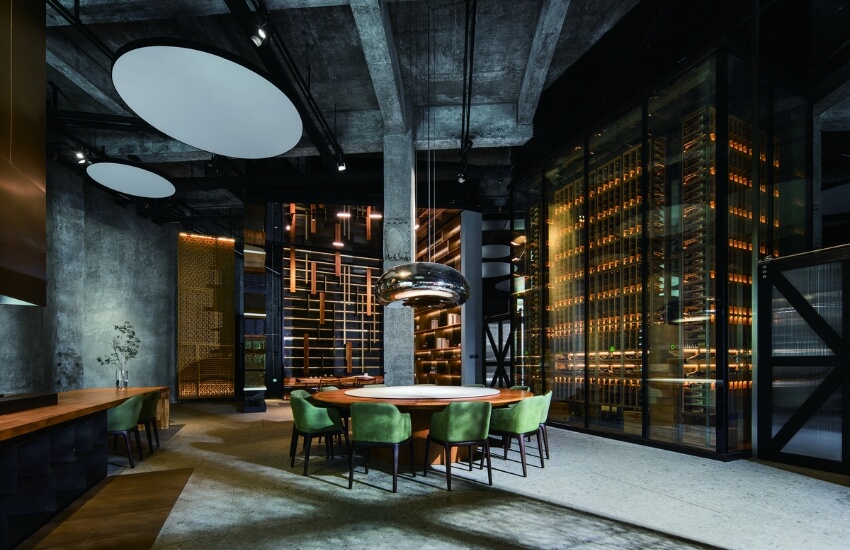
With MWH Life style Center, Clearspace Design & Research demonstrates how interior design can operate as a living system rather than surface decoration. Led by Ryan Kuo, the studio approaches renovation through architecture, sensory experience, and human interaction. The project transforms an industrial structure into a contemporary center for learning, exchange, and craftsmanship, grounded in sustainability, clarity, and emotional resonance.
Interview with Clearspace Design & Research
1. Can you share the story of how you entered interior design, and how your background shaped your creative practice?
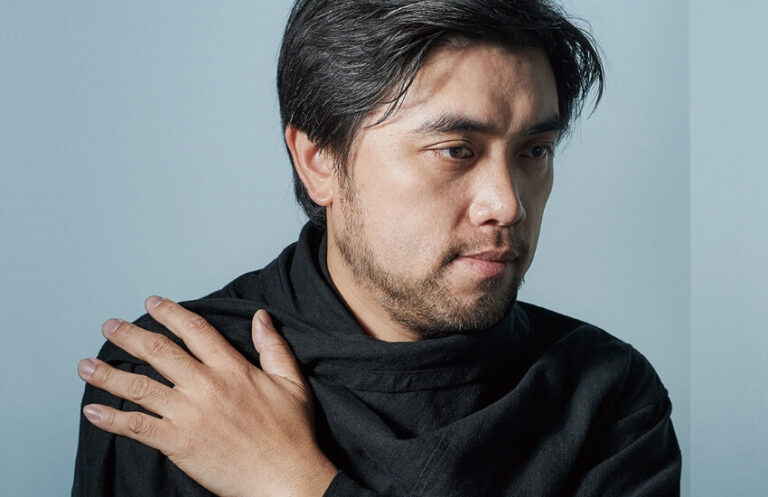
My journey in design did not happen overnight; it evolved gradually from multimedia, architecture, spatial design, social interaction, and material application toward human-centered and interior-scale practice. I began with architecture and spatial integration and eventually shifted my focus to the dimensions of people, life, and context, developing into a designer who bridges architecture, interior, and product design across diverse cultural disciplines.
My design approach begins with architectural structures and functional systems such as pipelines, drainage, and airflow, redefining interior design not as surface decoration but as internal system transformation. Guided by human-centered and multisensory principles, I emphasize helping residents find their place through tactile, acoustic, light, airflow, and water experiences. I also focus on public environments, interpersonal interaction, and spatial regeneration, transforming traditional markets and industrial spaces into emotionally resonant environments. Integrating subtractive design, green building strategies, eco-friendly materials, and precise craftsmanship, I aim to contribute to sustainability and carbon reduction.
2. What was the brief for your winning project, and how did it inspire your approach?
The project is located in an old reinforced concrete industrial building that was transformed into a high-end exhibition and co-learning center. The space combines display, co-working, and educational functions, becoming a hub for artists, designers, and craftsmen to exchange ideas. As the MWH Corporate Headquarters Showroom, the project integrates architecture, design, and craftsmanship to promote the concept of full-house customization, showcasing innovation and aesthetic integration.
Centered on the theme Better Home, Better Life, Better Relationship, the design embodies humility, transparency, and simplicity. A recessed triangular entrance expresses openness, while large glass facades bring in natural light and preserve the building’s original openings. The circulation rotates forty-five degrees to guide movement, balancing transparency and privacy, luxury and restraint. The project preserves architectural character while merging Bauhaus rationalism with contemporary creativity, allowing space and time to coexist.
3. What design choices or innovations in this project are you most proud of, and what challenges did you face while bringing them to life?
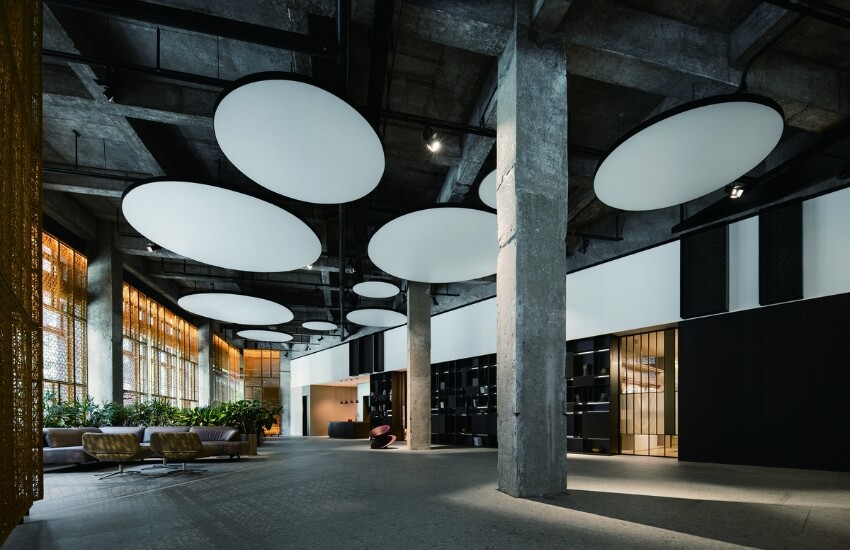
The design starts from the building itself, adopting a humble attitude to rediscover the meaning of space. I aimed to express the most authentic essence of the architecture, leaving traces of emotion and imagination through spatial storytelling. Respecting the existing structure, the façade uses a white palette with eco-friendly mineral coating and self-cleaning paint, avoiding unnecessary ornamentation. The combination of white walls and dark gray window frames creates a clean visual language that symbolizes openness and inclusivity.
Inside, all superficial decoration was removed, returning the space to its architectural core. The greatest challenge was convincing the client to embrace the less is more philosophy, allowing simplicity to create freedom. Exposed structures and pipelines remain visible, not crude but intimate, forming a living interface shaped by time and human presence.
4. Who are the interior designers or creative figures who inspire you most, and why?
For more than two decades, Tony Chi and his team have completed projects across the Americas, Asia-Pacific, and Europe. His work maintains a human-centered and detail-driven philosophy while expanding into hospitality management. His commitment to precision, emotion, and restraint continues to influence my thinking about how spaces serve people over time.
5. How would you describe your design philosophy and the principles that guide your decisions?
My philosophy centers on Nature Sustainability multiplied by Five-Sense Aesthetics, integrating sunlight, air, water, and human emotion into every space. I emphasize a people-oriented approach that starts from daily life and sensory experience, returning spaces to authenticity and essence.
Core principles include system-oriented thinking, less is more, respect for the site, sustainability through long-term maintenance, and integration of interior design with architectural logic.
6. How do you balance timeless design with contemporary trends, and how do you approach sustainability in your work?
Timeless design comes from respect for structure and context rather than trends. I incorporate contemporary ideas such as sensory lighting and energy efficiency only when they enhance authenticity. Sustainability in practice means preserving existing structures, using recyclable materials, maximizing natural light and ventilation, and promoting social design and local regeneration. True sustainability creates spaces that remain safe, comfortable, and meaningful over time.7. How do you balance your client’s needs with your own creative voice?
Listening is the foundation of my design process. I prioritize users’ needs, habits, and context so the space genuinely serves people. Design is not decoration but restoration of a building’s most fitting state. While staying true to Nature Sustainability and Five-Sense Aesthetics, I express creativity through light, material, and spatial flow, ensuring practicality and comfort coexist with artistic identity.8. What does receiving an INT Interior Design Award mean to you personally and professionally?
This international recognition affirms years of commitment to human-centered and sustainable design. It marks a transition from local practice to global dialogue, strengthening credibility and confidence for both my studio and team. It also opens opportunities for cross-border collaboration and deeper integration of architecture, interior design, and social impact.9. What advice would you give to emerging designers, or what excites you most about the future of interior design?
I encourage young designers to return to the essence of space, focusing on architecture, systems, and real human needs rather than surface styles. Listen to the site and its users, respect environmental context, and develop an authentic design language.
The future of interior design lies in perception rather than function alone. Spaces are becoming emotional and sensory environments that influence how people live and connect. With new materials and sustainable technologies emerging, the most meaningful design will always return to simplicity, honesty, and humanity.
Designing Systems That Serve Life
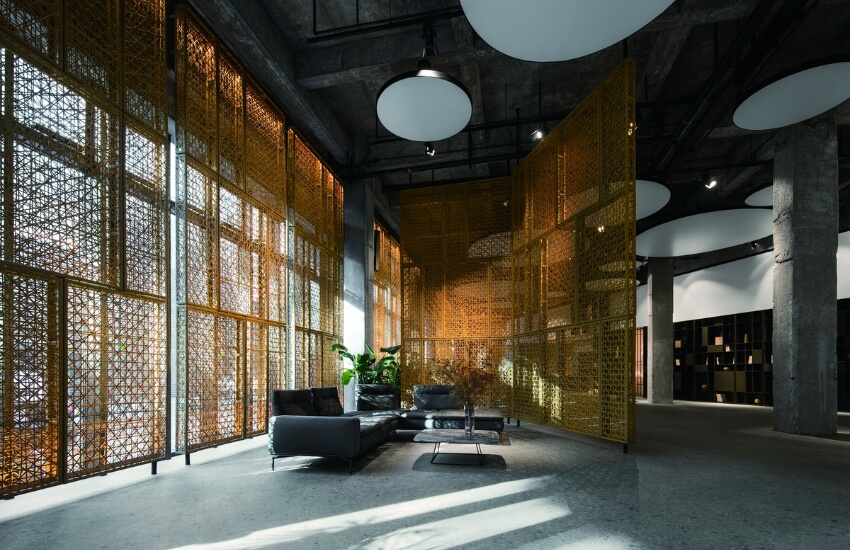
Through MWH Life style Center, Clearspace Design & Research shows how interior design can become an act of renewal rather than addition. By stripping back to structure, embracing sensory experience, and prioritizing sustainability, the project transforms an industrial shell into a living platform for exchange and creativity. Recognized by the INT Interior Design Awards, the work reflects Ryan Kuo’s belief that when design begins with people, systems, and context, spaces gain lasting relevance and emotional depth.
Check out other inspiring projects:
INT Interior Design Awards Winners
Interviews:
Past INT Winners
Clearspace Design & Research:
Official Website