
Modern + Timber and the Art of Balance
Blending Timber Warmth With Modern Living
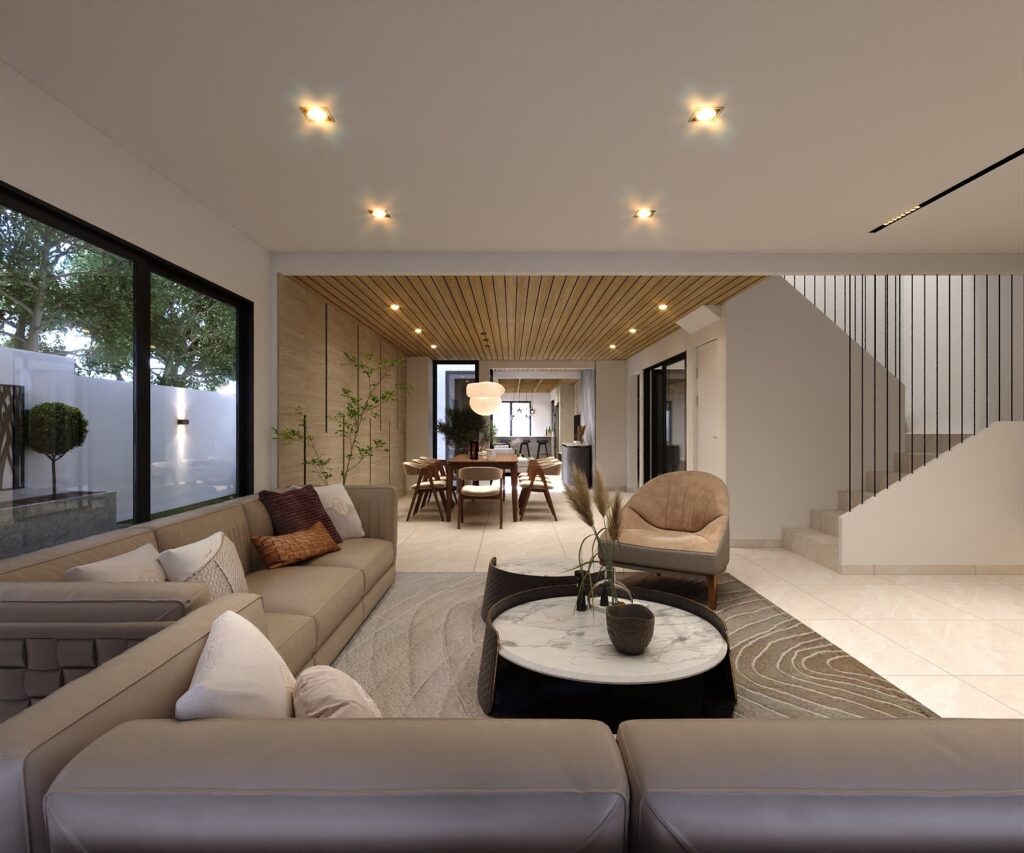
In Singapore’s Moon Beam View, Modern + Timber = A Design Statement reinterprets contemporary family living through warmth, materiality, and balance. Designed by Interior. Alpha Movements Pte Ltd, the award-winning residence combines modern aesthetics with natural timber elements, creating a home that feels both refined and inviting. Through clean lines, open layouts, and tactile finishes lead architect, Maggie Tan explores how contrasting generations and design preferences can coexist within one cohesive living environment.
Interview with Maggie Tan, Lead Architect

1. Can you share the story of how you entered interior design, and how your background shaped your creative practice?
I like to draw since young. The only way to let me sit still is to put some papers and colour pencils on the table and I will be immersed in my creative world. So after my ‘O’ level, I went straight to Nanyang Academy of Fine Arts to pursue Diploma in Interior Design.
After practicing for almost 30 years, I always believe in these 4 elements: Simplicity, Usability, a focus on the user and Sustainability.Simplicity – To reduce any complexity features thus allowing for a more focused and effective user experience.
Usability – The end products should be useful and easy to use.
Focus on the user – Identify the user needs and pain points.
Sustainability – Good design considers its impact on the environment and is designed to be long-lasting.
2. What was the brief for your winning project, and how did it inspire your approach?
The elderly couple in their 50s wanted timber elements. The children in their 20s wanted modern design with glass and marble.
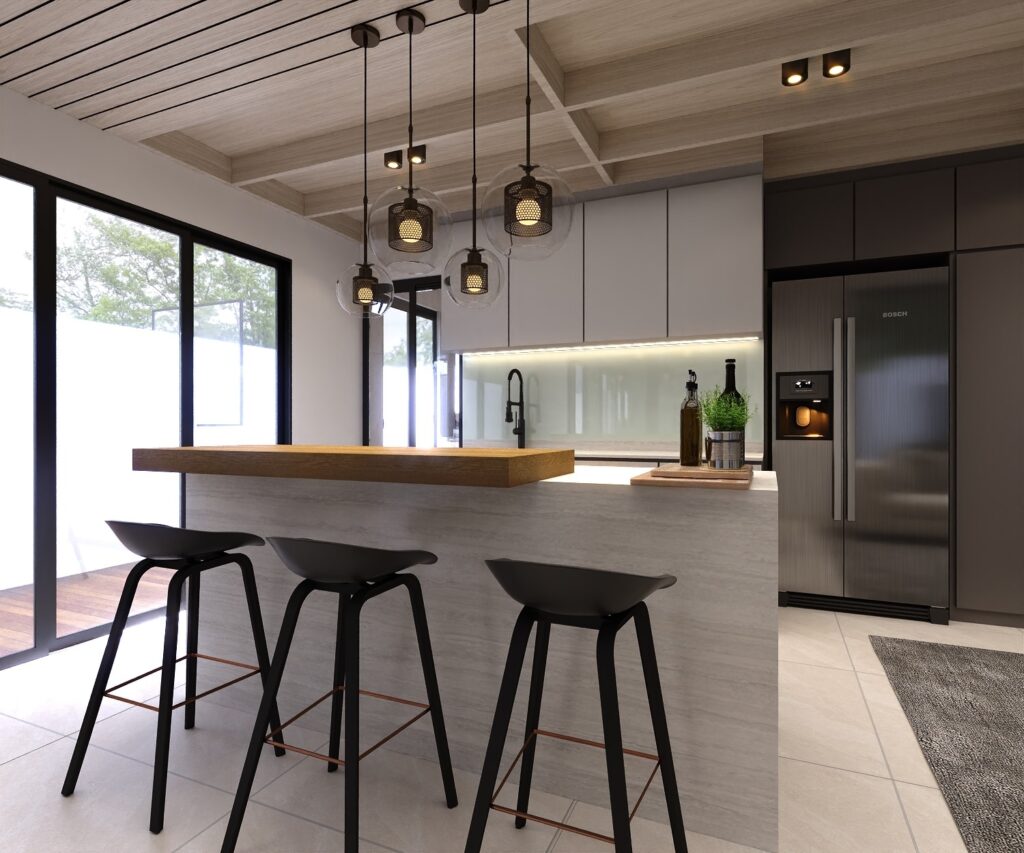
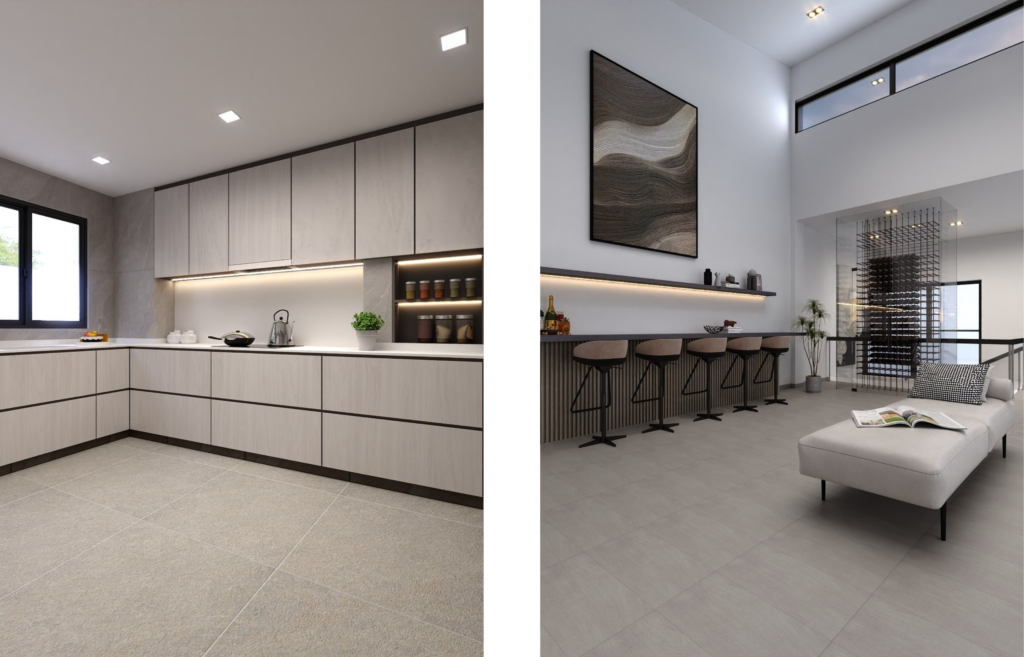
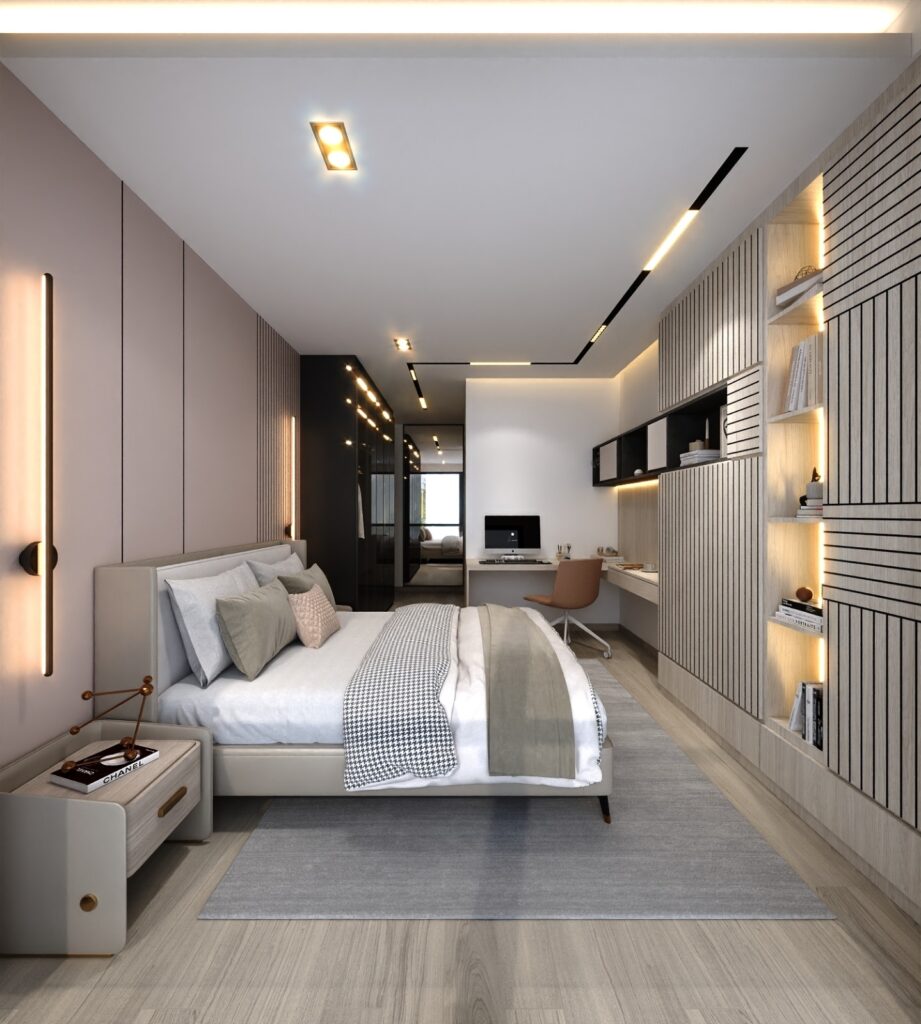
Modern contemporary design with timber elements combines clean lines and minimalist aesthetics with the warmth and natural texture of wood came to our mind. We proposed timber ceiling beams and flooring, large windows, and open-plan layouts to create a space that feels both modern and inviting. Emphasis is placed on functionality, natural light, and a connection to the outdoors, with timber playing a key role in both structural and decorative aspects.
3. What design choices or innovations in this project are you most proud of, and what challenges did you face while bringing them to life?
I would say the most challenging, yet rewarding, aspect of this project is balancing creativity with functionality and client needs. The key challenges include managing client communication and expectations, the children were sceptical about using too much timber as it might make the house look dull and heavy; adhering to building codes; and working within budget and time constraints, the timber panels were slightly over budget and required longer shipment time.
4. Who are the interior designers or creative figures who inspire you most, and why?
Deborah Oppenheimer.
Calm. I am impressed by her modern, tranquil design accomplishments. She finds inspiration for her projects in many places: nature, a great piece of sculpture, clean lines, photography, a piece of stone. The list is endless.She always looks for juxtaposition of light and dark, and soft and hard finishes.
She also avoids poor storage, bad lighting, poor detailing, and sloppy finishes. There is a beautiful symmetry to her projects which often fuse Eastern and Western influences.
5. What is your design philosophy and what principles guide your decisions?
My design philosophy consists of four principles: user-centric design, functionality, aesthetics, and design consistency.
User-centered design validates the importance of focusing on the client’s needs and experience, ensuring designs are not only aesthetic but meaningful in use.
Functionality means the space must serve its intended purpose effectively.
Aesthetics ensures visual appeal, balanced with usability.Design consistency creates a unified and recognizable design language across all decisions.
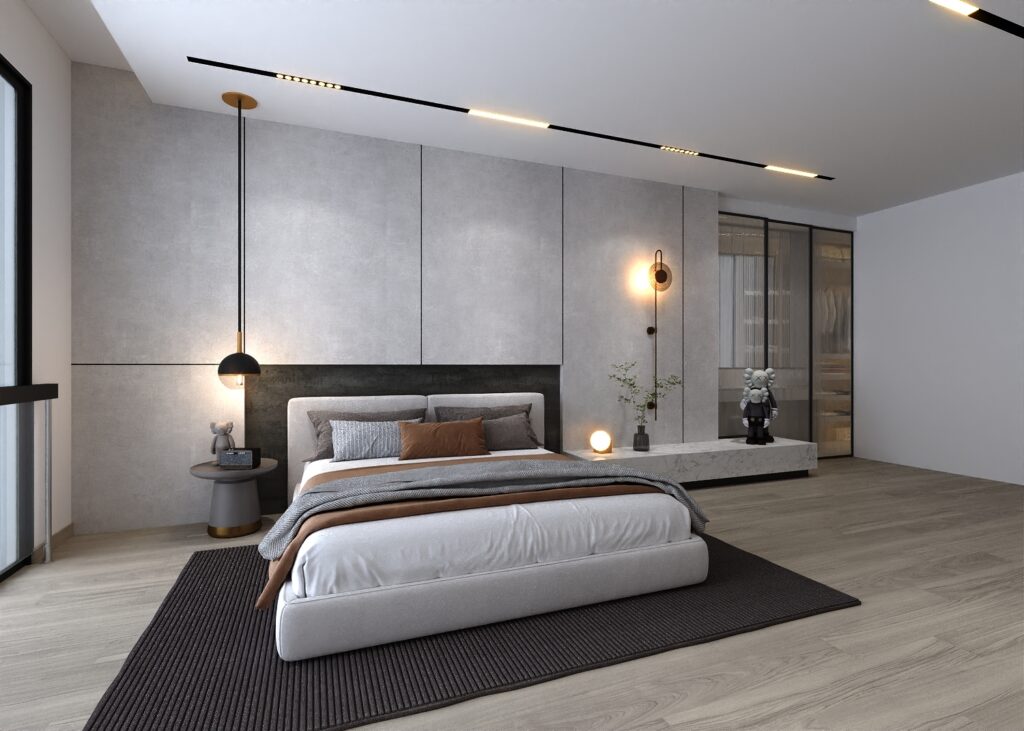
In every project, I think not only about form and materials but also about how the space will “speak” to the person experiencing it. I don’t believe in over-curated interiors.
I mix materials and furniture styles, blending dark wood and marble with modern materials like metal and glass. I also use lighting to define zones, applying different lighting styles to different areas to help segregate the space.
When it comes to materials, I opt for those with a lower environmental impact, such as SG Green Label certified products. I also design durable, quality spaces that last, reducing the need for frequent replacement. Energy-efficient lighting and multi-purpose furniture are also part of my approach to sustainability.
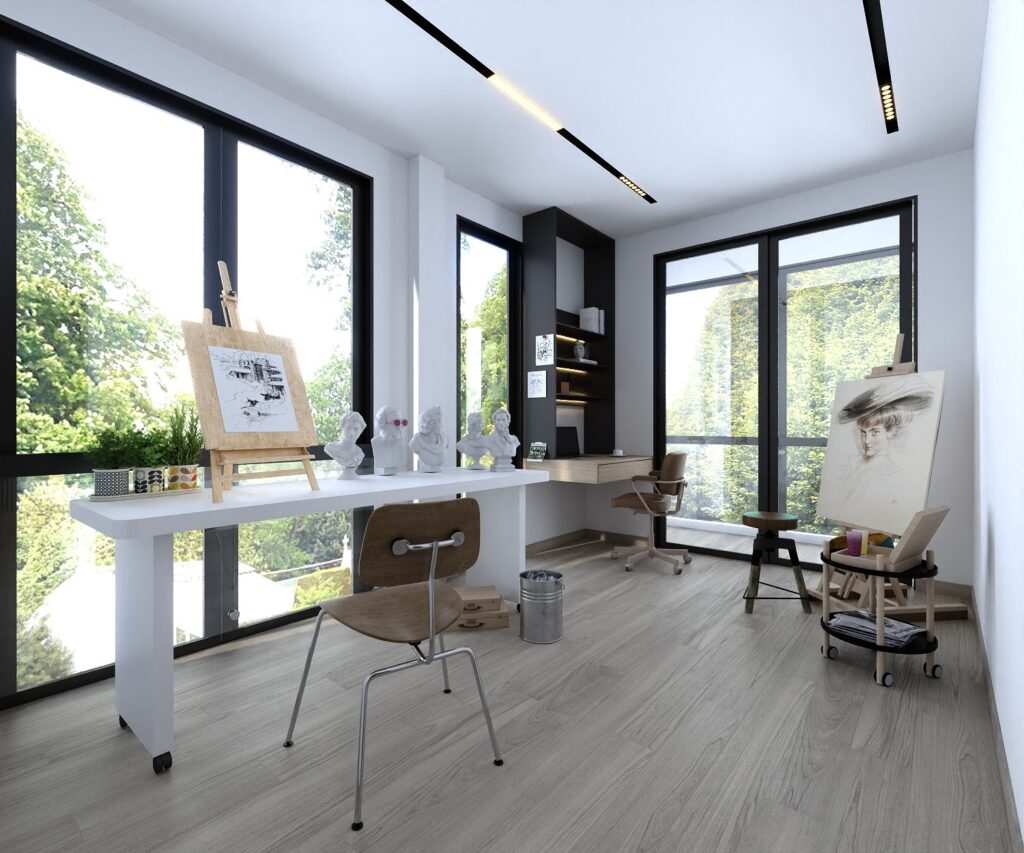
I always communicate openly and set clear expectations from the start. Understanding the client’s vision and needs is essential. During the project, I find common ground through collaboration, remain flexible, and know when to advocate for my expertise.
I also provide options with different approaches so clients feel involved while still being guided toward strong design decisions. Throughout the process, I document updates and maintain feedback loops to ensure alignment.
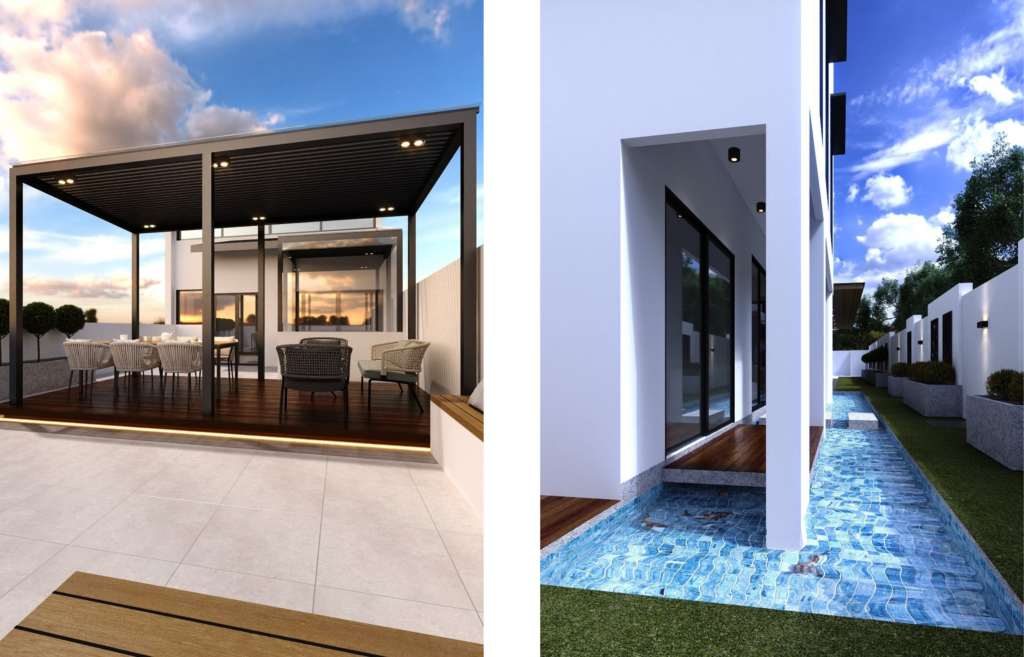
8. What does receiving an INT Interior Design Award mean to you personally and professionally?
It represents more than prestige. It recognizes problem-solving, creativity, and the ability to deliver exceptional results within real-world constraints. It gives an extra layer of trust to clients. The honour offers insight into a designer’s strengths and brings confidence in the outcome.
9. What advice would you give to emerging designers, or what excites you most about the future of interior design?
Always be open to learning. The key to genuine growth lies in immersing yourself, noting down observations, and asking questions whenever clarification is needed. Take every project and do the best work you can.
Design is subjective, there is no right or wrong, only different perspectives. Great design comes from collaboration, so it is important to receive input from clients, co-consultants, and colleagues.
Finally, I would advise caution with artificial intelligence in design work. Good design requires a gut reaction and the ability to justify decisions throughout the process. Real innovation and imagination must come from designers themselves.
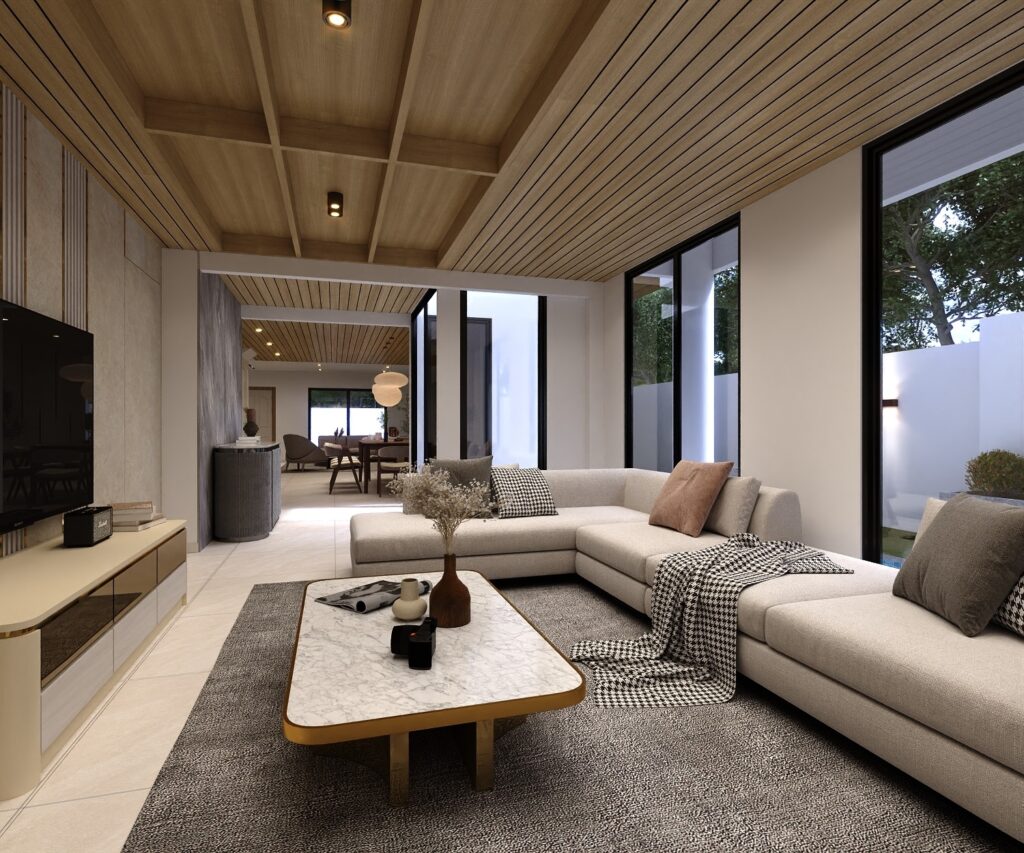
Where Warmth Shapes Contemporary Living
With Modern + Timber = A Design Statement, Interior. Alpha Movements Pte Ltd creates a home that balances contemporary aesthetics with the natural warmth of timber. By responding thoughtfully to the needs of multiple generations, the project transforms contrasting preferences into a cohesive and inviting living environment. Recognized in the INT Interior Design Awards, the residence reflects a design approach rooted in functionality, material harmony, and timeless comfort.
Check out other inspiring projects:
INT Interior Design Awards Winners
Interviews:
Past INT Winners
Interior. Alpha Movements Pte Ltd:
Official Website